Gutter Repair Hackettstown Services for Storm-Ready Homes

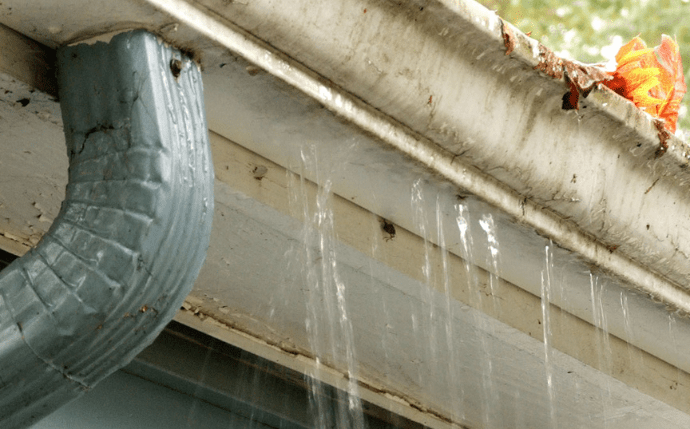

Storm damage rarely starts with a dramatic roof failure. More often, it begins quietly at the edge of the house, where a sagging gutter, a loose bracket, or a clogged downspout sends water somewhere it was never meant to go. In Hackettstown, where heavy summer downpours, wind-driven rain, leaf buildup, and winter freeze-thaw cycles all take turns stressing exterior systems, gutters do far more than keep the roofline tidy. They protect siding, trim, fascia, landscaping, walkways, basements, and foundations.
That is why homeowners who put off small gutter repairs often end up paying for much larger restoration work later. A minor seam leak can wash out mulch and stain siding for months before anyone notices. A section that has pulled away from the fascia can dump hundreds of gallons of water right next to the foundation during a single storm. By the time the problem becomes obvious indoors, the repair bill tends to involve more than gutters.
Gutter Repair Hackettstown services matter most before the forecast turns rough. The best time to fix a drainage problem is when the sky is clear, access is safe, and materials can be matched properly. Once storm season hits, crews get busier, hidden damage gets worse, and temporary fixes become tempting. Those patch jobs rarely hold for long.
Why gutters fail in Hackettstown
Hackettstown homes deal with a mix of weather patterns that are hard on gutter systems. Older neighborhoods often have mature trees, which means leaves, seed pods, twigs, and granules from aging shingles collect quickly. Newer homes may have long roof runs that dump a surprising amount of water into a small number of downspouts. Add ice in winter, wind in spring, and intense summer rainfall, and the system is under pressure almost year-round.
The failures I see most often are not exotic. They are ordinary wear issues that stack up until the gutter can no longer do its job. Fasteners loosen over time. Pitch changes slightly after years of expansion and contraction. Sealant dries out and cracks. Aluminum dents. Joints separate. Downspout elbows clog at the bend. None of that sounds catastrophic, but water is relentless. It only needs one weak point.
There is also the issue of deferred maintenance. Homeowners often assume a gutter is either fine or completely broken. In practice, there is a long middle stage where the system still hangs on the house but performs poorly. It overflows during hard rain, traps standing water, or leaks at corners. That middle stage is where smart repairs save money.
What “storm-ready” really means
A storm-ready home is not one that never gets wet. Rain will always land on the roof, siding, and ground. A storm-ready home is one that directs that water quickly and predictably away from vulnerable materials. Gutters should catch runoff, move it efficiently, and discharge it far enough from the structure that the ground can absorb or redirect it safely.
That standard sounds simple, but the details matter. A gutter can be clean and still fail if the pitch is off. A downspout can be clear and still cause pooling if it ends too close to the foundation. A section can be sealed and still overflow if it is undersized for the roof area feeding it. Good repair work looks at the whole path of water, not just the obvious leak.
In Hackettstown, that usually means evaluating how the gutter interacts with roof valleys, dormers, splash zones, front steps, basement walls, and garden beds. One home may need a straightforward seam repair. Another may need hanger replacement, a downspout extension, and a re-sloped run to handle the volume from a steep rear roof. The right repair is rarely one-size-fits-all.
The warning signs homeowners miss
Many gutter problems announce themselves indirectly. Homeowners notice peeling paint on trim, mildew along the lower siding, soil trenches in flower beds, or a patch of ice on the walkway in winter. They may not connect those signs to the gutter above.
These are the trouble signals worth taking seriously:
- Water spilling over the front edge during moderate rain, not just in extreme storms.
- Gutters pulling away from the fascia, even slightly, especially near seams or corners.
- Rust spots, pinhole leaks, or white oxidation marks on aluminum surfaces.
- Water pooling near the foundation or a basement wall that feels damp after storms.
- Downspouts that drip at the elbows or back up instead of flowing freely.
None of these symptoms should be ignored. Overflow can mean a clog, but it can also point to poor pitch or inadequate outlet capacity. A damp basement corner may be tied to grading, but I have seen plenty of cases where the real culprit was a broken downspout connection twenty feet away.
Repair or replace, the judgment call that matters
Not every failing gutter needs full replacement. In fact, many systems have years of service left if the repair is targeted and the surrounding components are still sound. The challenge is knowing where repair stops being cost-effective.
A localized seam leak on a newer aluminum system is usually worth fixing. Rehanging a section with proper brackets, sealing joints, replacing a crushed elbow, or correcting pitch can restore performance without much disruption. Even some sections with light corrosion can be stabilized if the damage is limited and the metal still has strength.
Replacement makes more sense when the metal is thinning across multiple runs, the fascia behind the gutter is rotted, the pitch problems are widespread, or the system design is poor from the start. I have seen homes with too few downspouts for the roof area, causing chronic overflow no matter how often the gutters were cleaned. In those situations, repeated repairs feel productive but never solve the problem.
There is also the visual factor. On a prominent front elevation, patching several mismatched sections can hurt curb appeal. Homeowners planning to sell within a few years sometimes choose replacement on highly visible runs and repair elsewhere. That kind of blended approach can make sense when budget matters.
The anatomy of a proper gutter repair
Good gutter work is less about caulk and more about geometry, attachment, and water behavior. Sealant has a place, but it cannot compensate for loose hangers or backward pitch. A proper repair starts with diagnosis. Where is the water escaping, and why is it escaping there?
If the issue is sagging, the fix usually involves resetting the slope and securing the run with appropriate hangers spaced for the weight it will carry when full of water and debris. If the problem is at a corner, the installer has to inspect whether the joint simply opened or whether repeated movement has distorted the metal. If the downspout is clogging at an elbow, cleaning alone may not be enough. Sometimes the angle is wrong, or the connection was crushed during a previous service visit.
Fascia condition matters too. A gutter can only be as stable as the wood behind it. When screws no longer hold, some crews are tempted to use longer fasteners and call it done. That works for a while, then fails again because the substrate is compromised. The honest repair may require replacing sections of fascia before rehanging the gutter.
This is one reason experienced Gutter Repair Hackettstown contractors tend to inspect more than the visible leak. They know water often travels before it drips. The stain on the siding may be six feet away from the separated seam that caused it.
Materials and how they behave under stress
Most residential gutters in the area are aluminum, and for good reason. Aluminum is lightweight, reasonably durable, rust-resistant, and available in many colors. It also bends more easily than steel, which can be a drawback if ladders are leaned against it carelessly or if ice loads become severe. Small dents are cosmetic, but repeated deformation changes flow and weakens joints.
Steel gutters are tougher in some respects, but they can corrode if coatings fail. Vinyl still appears on some homes, usually older budget installations, and it tends to become brittle over time. In climates with temperature swings, vinyl joints are notorious weak points. Copper is less common and usually found on higher-end or historic-style https://thornex24.gumroad.com/p/expert-gutter-repair-hackettstown-for-leak-free-homes homes. It can last a very long time, but repairs require a different level of skill and should be approached carefully to preserve both function and appearance.
Seamless systems reduce the number of leak-prone joints, but they are not maintenance-free. End caps, corners, and downspout connections still need attention. A homeowner who has “seamless gutters” can still have very real repair needs.
The hidden cost of waiting one more season
Putting off gutter repairs feels harmless because the house still looks basically intact. The danger is cumulative moisture exposure. Wood trim that gets wet occasionally may dry without consequence. Wood trim that gets soaked during every storm enters a different cycle. Paint fails. Fibers soften. Insects become more interested. Eventually, what began as gutter work turns into carpentry, paint prep, and possibly mold remediation.
Foundation areas tell a similar story. Soil that is repeatedly saturated beside the house shifts differently than soil that stays evenly drained. You may see settlement cracks, patio movement, or persistent dampness along a basement wall. Not every foundation crack is caused by poor drainage, but poor drainage makes many structural issues worse.
I remember one property where the owner was convinced tree roots had caused his front walkway to sink. The roots were part of the story, but the bigger issue was a front gutter that had been overflowing at the same spot for years. Water had washed out the base under the pavers during every strong storm. The repair itself was straightforward. The masonry work that followed was not.
What a service visit should include
A useful repair appointment is part inspection, part diagnosis, and part execution. Homeowners should expect more than a ladder, a tube of sealant, and a quick rinse with a hose. Even simple repairs deserve a careful look at the run, the outlet, the fascia, and the discharge point on the ground.
A thorough technician will usually check these areas before settling on a fix:
| Area checked | What they are looking for | |---|---| | Gutter pitch | Standing water, backward slope, uneven runs | | Hangers and fasteners | Pull-out, spacing problems, fascia weakness | | Seams and corners | Separation, dried sealant, pinhole leaks | | Downspouts | Clogs, crushed elbows, loose straps, poor discharge location | | Surrounding surfaces | Water stains, wood rot, soil erosion, splash patterns |
That kind of inspection helps prevent incomplete repairs. If a seam is resealed but the gutter still slopes the wrong way, the leak may stop briefly and then reappear somewhere else. Water finds the next low point.
Seasonal timing makes a real difference
Spring and fall are the obvious times people think about gutters, and there is good reason for that. Spring exposes winter damage, while fall is when leaves load the system before cold weather arrives. Still, summer can be one of the best times to schedule repairs in Hackettstown because crews can work more predictably and homeowners can test performance during warm-weather storms before winter freezing begins.
Winter repairs are possible, but they are less ideal. Ice complicates safe access, hidden clogs may be frozen in place, and sealants do not always cure the same way in low temperatures. Emergency service has its place, especially if water is entering the house, but preventive work is almost always cleaner and more durable.
For most homes, I recommend at least one close gutter check before peak storm periods and another after heavy leaf drop. That does not always mean a full service visit. Sometimes it means a homeowner walking the perimeter and paying attention to sagging lines, staining, or discharge patterns.
Questions worth asking before hiring a contractor
The gutter trade includes excellent professionals and a fair number of quick-fix operators. The difference often shows up in how they talk about the problem. A good contractor usually asks where the overflow occurs, whether the issue happens in all rain or only hard rain, how old the system is, and whether basement dampness or soil washout has been noticed nearby.
It also helps to ask whether the crew plans to repair the existing section, rehang it, replace part of it, or recommend a redesign. Those are not interchangeable answers. If every problem is met with “we’ll just reseal it,” that is a red flag. So is a quote that ignores fascia damage or drainage at ground level.
One practical question homeowners rarely ask is whether the contractor will test flow after the repair. Water testing is not always possible in every setup, but when conditions allow, it can confirm that the fix addressed performance, not just appearance.
Maintenance habits that reduce future repair bills
No gutter system stays storm-ready on neglect alone. Even a well-installed system needs periodic attention, especially in tree-heavy neighborhoods. The good news is that maintenance is usually simple when done before debris compacts and water backs up.
A few habits go a long way:
- Check gutters after major storms for new sagging, overflow marks, or detached downspouts.
- Keep roof valleys and gutter outlets clear so water can enter the system without obstruction.
- Make sure downspouts discharge far enough from the foundation to avoid repeated saturation.
- Trim back branches that scrape gutters or drop heavy debris into problem sections.
- Address small seam leaks or loose hangers before winter ice magnifies the damage.
Those steps are not glamorous, but they work. Most expensive gutter-related repairs do not arrive out of nowhere. They grow from small issues left alone through several seasons.
Special concerns for older Hackettstown homes
Older homes often bring charm, mature landscaping, and construction details that complicate drainage work. Fascia dimensions may not match modern hangers neatly. Roof edges can be less uniform. Previous owners may have layered repairs over decades, leaving mixed materials and improvised downspout routes.
Historic-style homes also tend to be less forgiving of visible mismatches. A bright new white section on a weathered exterior can stand out sharply. In those cases, repair strategy often has to balance performance with appearance. Color matching, profile matching, and preserving original trim details all become part of the conversation.
Another issue on older properties is the relationship between gutters and basements. Many of these homes were not built with modern waterproofing expectations, so surface drainage matters even more. A gutter that dumps too close to the foundation may trigger moisture problems quickly, especially on lots where grading has changed over the years.
When gutter guards help, and when they disappoint
Gutter guards are often marketed as a permanent cure for all maintenance. That is not how they behave in real life. On some homes, they help significantly by reducing leaf accumulation and keeping outlets clearer for longer. On others, especially where small debris, pine needles, or heavy seed pods are common, they reduce cleaning frequency but do not eliminate it.
Guards also do not fix bad pitch, weak fascia, undersized downspouts, or poor discharge locations. Installing them on a failing gutter system is like putting a screen door on a crooked frame. If a home needs Gutter Repair Hackettstown service, that repair should come first. Guards are a secondary choice, not a substitute for structural correction.
The best candidates for guards are systems that are already sound but burdened by recurring debris from nearby trees. Even then, homeowners should expect periodic inspection. Water management systems perform best when someone checks them with a skeptical eye now and then.
The value of acting before the next forecast turns ugly
Homeowners often call after the storm because that is when the problem becomes visible. There is no shame in that. Still, the houses that come through rough weather best are usually the ones where drainage issues were handled in advance, while the repair options were broader and the damage was still limited.
A stable, properly pitched gutter system does not draw much attention when it is working well. That is the point. It quietly prevents fascia rot, basement moisture, soil erosion, ice patches near entryways, and siding stains. It keeps runoff moving instead of allowing it to collect where gravity and saturation can do their worst.
For Hackettstown homeowners, storm-readiness starts at the roof edge. Not with a dramatic overhaul, not with guesswork, and not with a tube of caulk from the garage shelf. It starts with recognizing that gutters are one of the house’s most important water-control systems, then repairing them with the same seriousness you would give to a roof leak or a foundation crack. When the next hard rain comes through, that judgment pays off fast.
Just Gutters LLC
Address: 262 Main St, Hackettstown, NJ 07840
Phone number: +12013319454
FAQ About Gutter Repair Hackettstown
What is the average cost to repair gutters?
The average cost to repair gutters is about $390, with most jobs ranging from $120 to $900 depending on the damage. You can explore detailed data and estimates on Angi.
Can I repair a gutter myself?
Yes, you can easily repair most common gutter problems yourself if you are comfortable working on a ladder.
How much does it cost to repair a leaking gutter?
The average cost to repair a leaking gutter ranges from $75 to $350. Most homeowners spend around $150 to $250 to hire a professional to patch small holes or reseal leaking joints. If the damage is severe and requires replacing entire sections, the price can increase from $300 to $800.